
What a facelift is
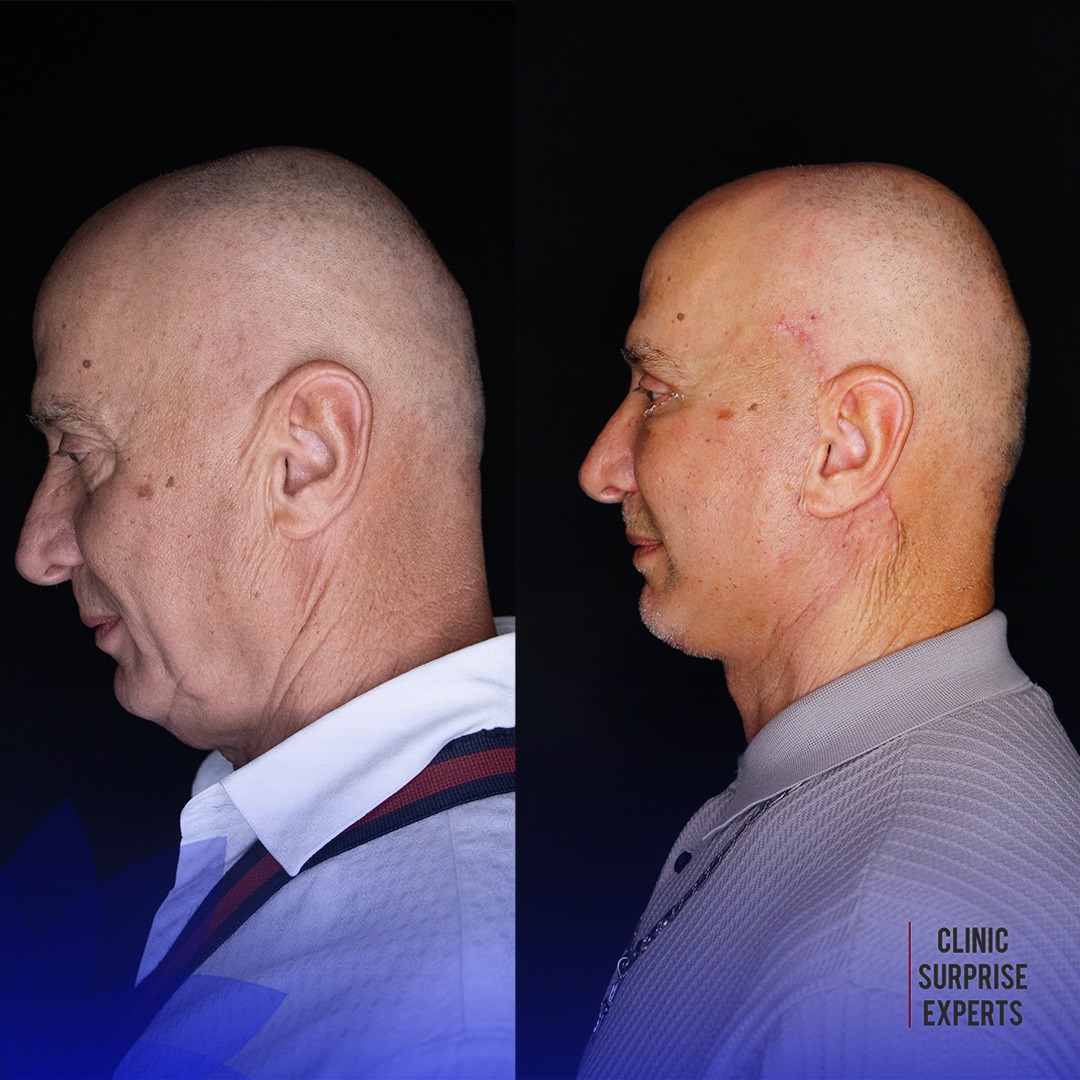
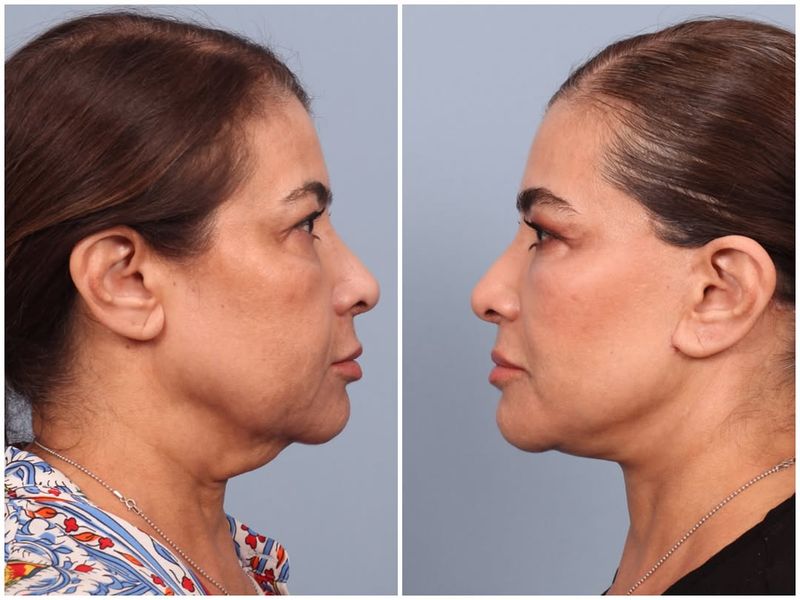
As skin loses elasticity and the deeper facial ligaments stretch with age, the jawline softens, jowls form along the jaw, and the neck can develop loose skin or vertical “bands.” A facelift lifts and repositions the deeper tissue layer (not just the skin), then re-drapes the skin without tension, which is why a well-executed facelift looks refreshed rather than pulled.
Who it suits
A facelift is a strong option if you:
- have jowls along the jawline, a softened jaw contour, or loose neck skin that bothers you;
- have tried non-surgical options (fillers, threads, skin tightening) and feel they no longer give enough lift;
- want a natural result that addresses the lower face and neck as a unit, rather than one area in isolation;
- are in good general health, with realistic expectations about what a facelift does and does not change — it does not alter skin texture, sun damage, or the upper face, which is why it is often combined with eyelid surgery or skin resurfacing.
The main techniques
- SMAS facelift. The most common modern approach: the deeper muscular layer (the SMAS) is lifted and secured, then the skin is re-draped and trimmed. Gives durable, natural results.
- Deep-plane facelift. Releases and repositions tissue at a deeper layer still, often giving a more significant lift to the mid-face and jawline in one step; used for more advanced ageing or when a stronger result is wanted.
- Mini / short-scar facelift. A smaller lift through shorter incisions, suited to earlier signs of ageing, with a shorter recovery.
- Neck lift. Frequently performed together with a facelift to address loose neck skin and platysma banding — this is the most common combination we see.
Many patients combine a facelift with blepharoplasty (eyelid surgery) in one visit for a complete facial refresh, which our team refers to internally as a face package.
The procedure, step by step
- Consultation & planning. Your surgeon examines skin laxity, the jawline, and the neck, and discusses which technique and which combination (if any) fits your goals.
- Anaesthesia. Performed under general anaesthesia or deep sedation, typically with one or two nights of observation.
- Lifting. Incisions are placed along the hairline and around the ear, hidden once healed. The deeper tissue layer is lifted and secured, excess skin is removed, and the skin is closed without tension.
- Drains & dressing. A light compressive dressing is worn for the first day or two; a small drain is sometimes used overnight to reduce swelling.
- Discharge. Most patients are discharged within 24–48 hours, with clear aftercare and a follow-up schedule.
Recovery and aftercare
- Days 1–3: Swelling and bruising are most visible; sleeping with the head elevated and cold compresses help considerably.
- Day 7–10: Sutures and any drains are removed; most visible bruising has faded by this point.
- Weeks 2–3: Most patients feel comfortable returning to normal social life, often with light makeup.
- Weeks 4–6: Numbness and tightness around the ears and jawline continue to ease; exercise is usually cleared around this point.
- Months 3–6: Residual swelling fully settles and the final contour becomes clear.
Risks and things to know
Risks include bleeding, infection, temporary numbness or asymmetry, and, rarely, injury to a small nerve branch that can cause temporary weakness in part of the face — usually resolving on its own. Hairline incisions are planned to stay hidden within the hair; discuss this specifically if you wear your hair very short or pulled back. An experienced surgeon and conservative, tension-free closure are the best protection against an overdone or unnatural look.
Questions worth asking at your consultation
Which technique fits my face, and would you recommend combining it with a neck lift or eyelid surgery?
- Where exactly would the incisions sit, and how are they hidden in my hair?
- How long would the visible swelling and bruising realistically last for me?
- What does the full timeline look like, including travel and follow-up?
- How long does a result like this typically last?
This guide is general patient education, not a diagnosis or a treatment plan. Whether a facelift is right for you — and which technique — is decided by a qualified surgeon after an in-person or photo-based assessment.