
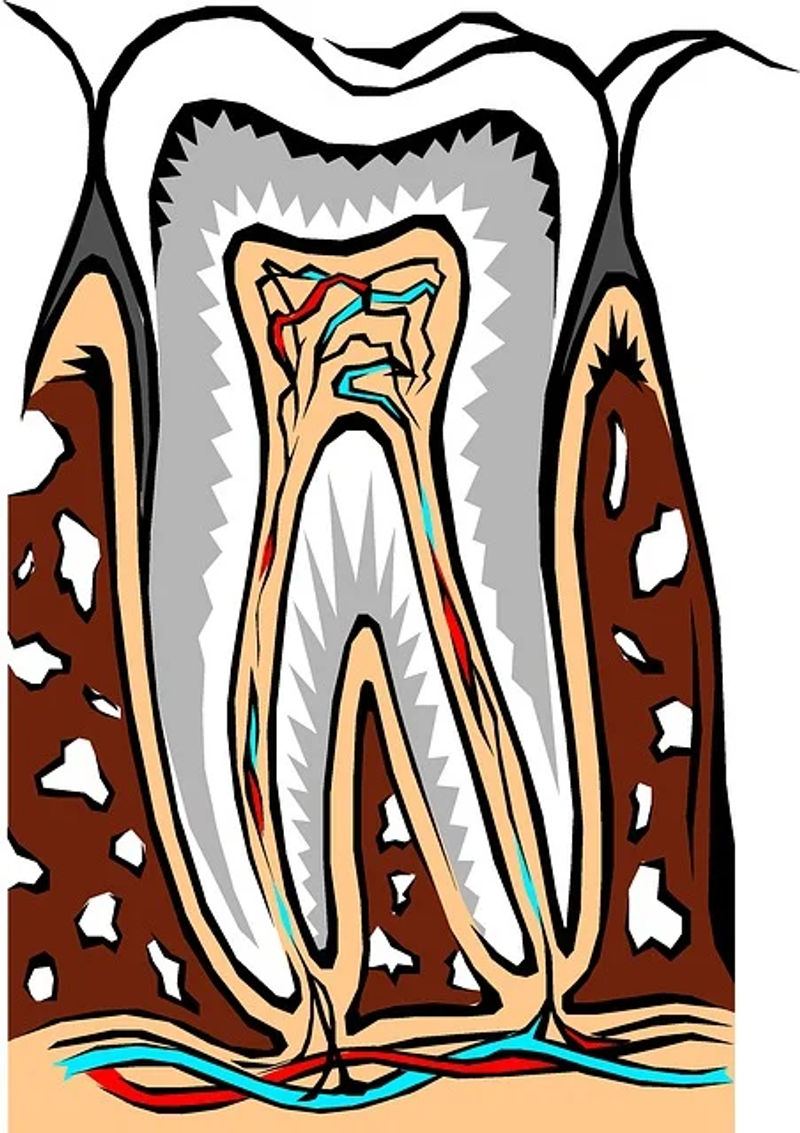
What is a fiber post?
A fiber post is a thin, rod-shaped reinforcement made of glass or quartz fibres embedded in resin. After root canal treatment removes the nerve tissue from inside a tooth, the remaining structure can be weakened — especially if a large part of the crown was lost to decay or fracture. The fiber post is cemented into the cleaned root canal, and a core is built up around it. That core then supports the final crown.
When is a fiber post needed?
Not every root-treated tooth needs a post. Your dentist may recommend one when:
- More than half the visible tooth structure is missing.
- The tooth will bear heavy chewing forces (premolars, molars).
- The remaining walls are too thin or too short to hold a crown on their own.
If the tooth still has enough healthy structure above the gumline, a crown alone — without a post — is usually the better choice, because it preserves more of the natural root.
Fiber post vs. metal post
Metal posts (cast or prefabricated) were the traditional standard for decades. Today, fiber posts have largely replaced them for several reasons:
- Similar flexibility to dentine — fiber posts flex with the tooth under load, spreading the stress more evenly and reducing the risk of root fracture.
- Tooth-coloured — they do not show a dark shadow through thin porcelain or at the gumline, making them ideal under all-ceramic crowns.
- Easier retreatment — if the root canal needs to be re-treated years later, a fiber post can be drilled out without the risk of root perforation that metal posts carry.
- Biocompatible — no metal ions, no corrosion, and no galvanic reactions in the mouth.
A metal post is rigid and can act as a wedge under heavy force, sometimes splitting the root beyond repair. A fiber post bends — the post may break, but the root usually survives and can be restored again.
The procedure step by step
- Root canal completion — the tooth is treated and the canals are cleaned, shaped and filled. Sometimes the post is placed on the same visit; sometimes the dentist waits for the seal to set.
- Post space preparation — part of the root canal filling is carefully removed from the top down, creating a channel for the post while leaving enough filling at the tip to keep the seal.
- Post try-in — the post is tested for length and fit inside the prepared canal.
- Cementation — the canal is etched and a bonding agent is applied. The post is coated with resin cement and seated into the canal.
- Core build-up — composite resin is shaped around the post to reconstruct the missing tooth structure, creating a solid base for the crown.
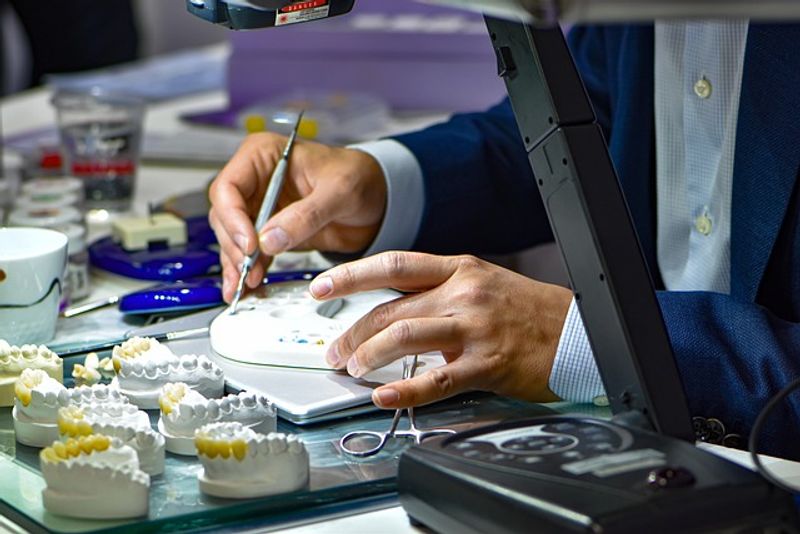
- Crown placement — an impression is taken (digital or traditional), and a custom crown is fabricated and fitted — typically at a second appointment.
How long does a fiber post last?
Studies show high success rates after 5–10 years of service. With good oral hygiene, a well-placed fiber post and crown can last much longer. The main risk is not the post itself but the health of the tooth around it — decay at the crown margin or gum disease can compromise any restoration.
Care after placement
No special routine is needed beyond what you would do for any crown:
- Brush twice daily and floss around the crown margin.
- Avoid using the tooth to crack nuts, bite ice or open packaging.
- Keep regular dental check-ups so the crown and gum can be monitored.
This guide is general patient education, not a diagnosis or a treatment plan. What is right for you is decided by a qualified dentist after an in-person or scan-based assessment.