
What “immediate loading” means
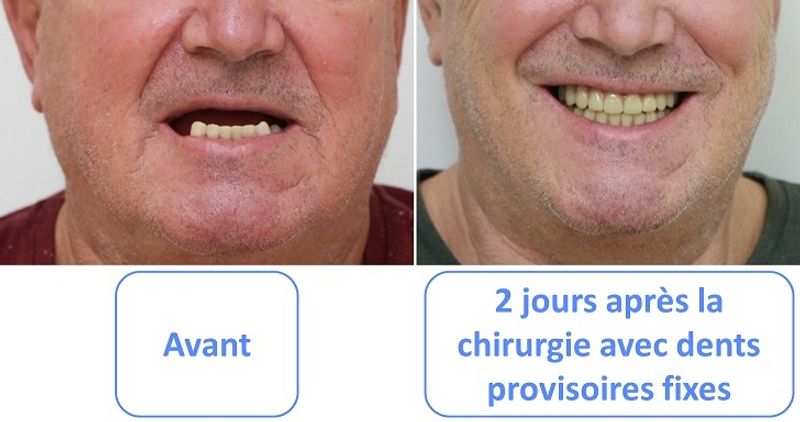
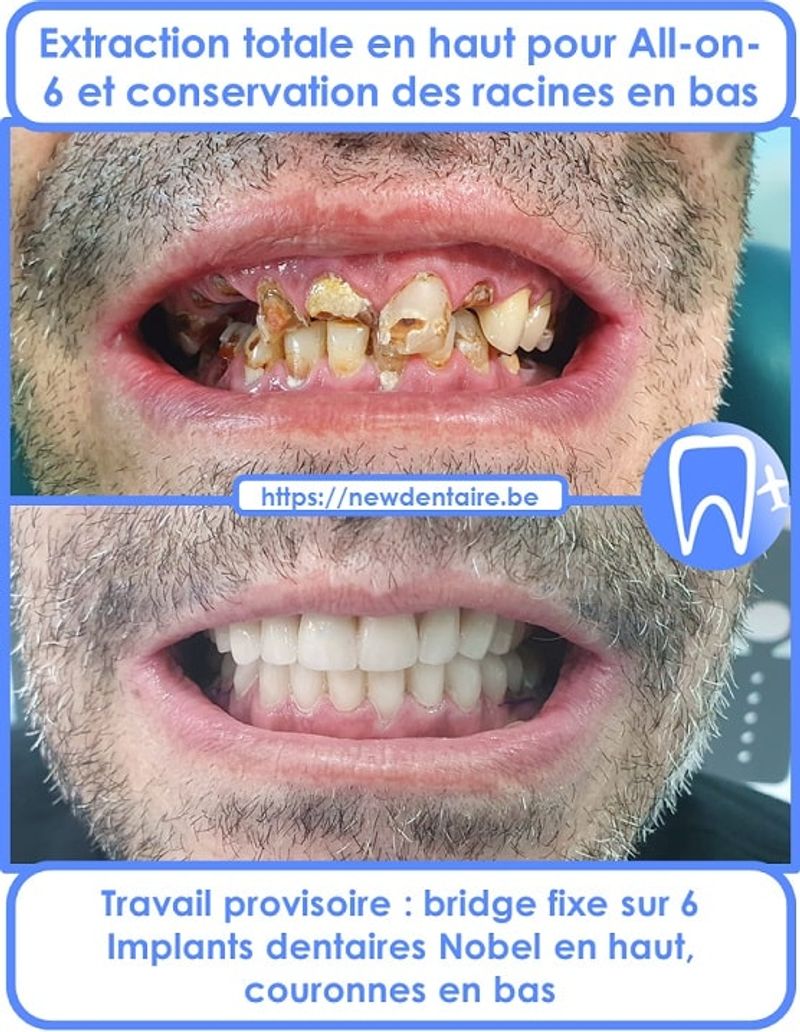
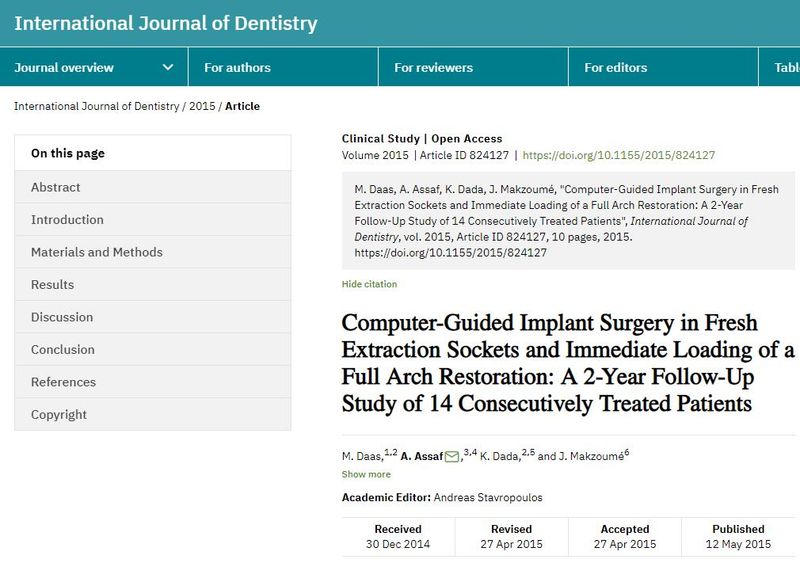
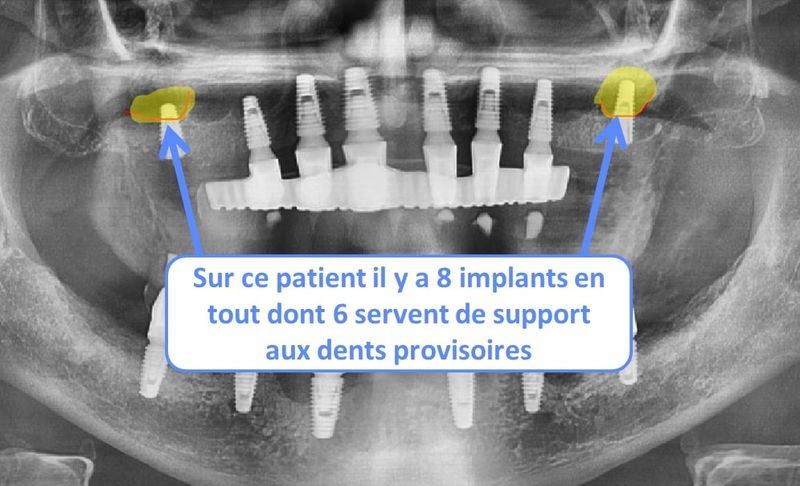
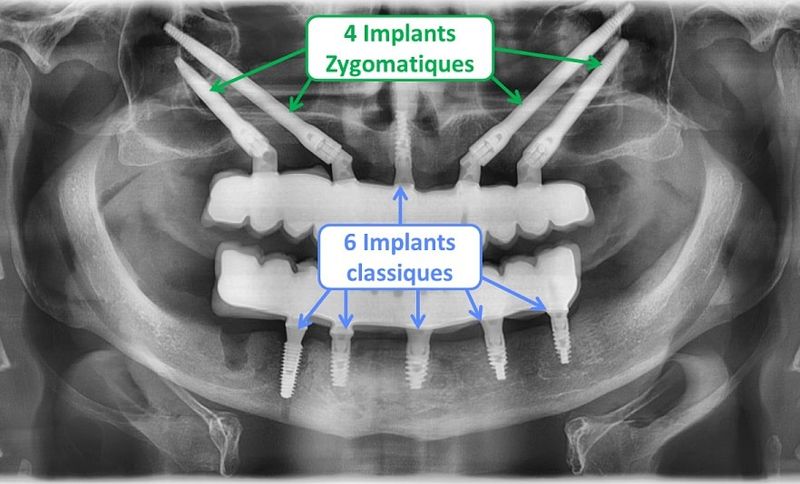
Conventionally, an implant is left to fuse with the bone for weeks or months before a crown is attached. With immediate loading, a temporary crown or bridge is placed right after surgery — usually the same day. The final tooth still comes later, once healing is complete.
Who qualifies
It is not for everyone. It works best when:
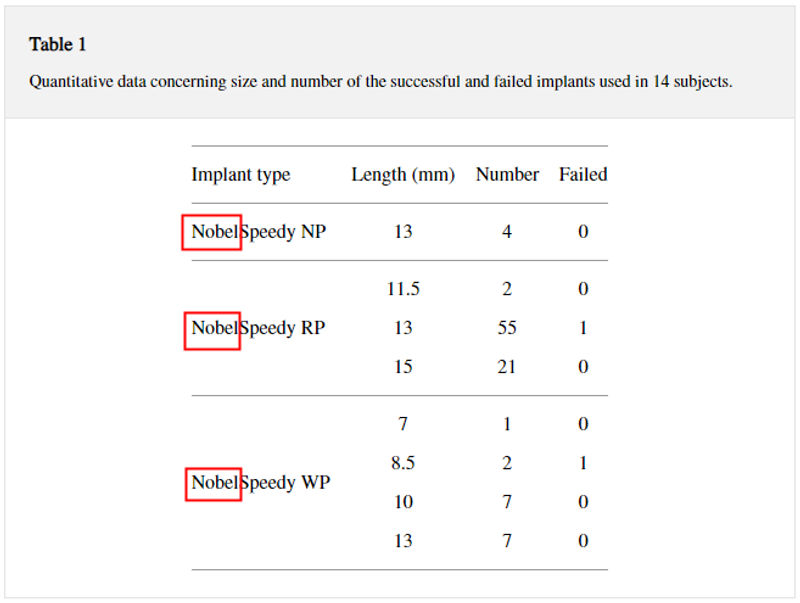
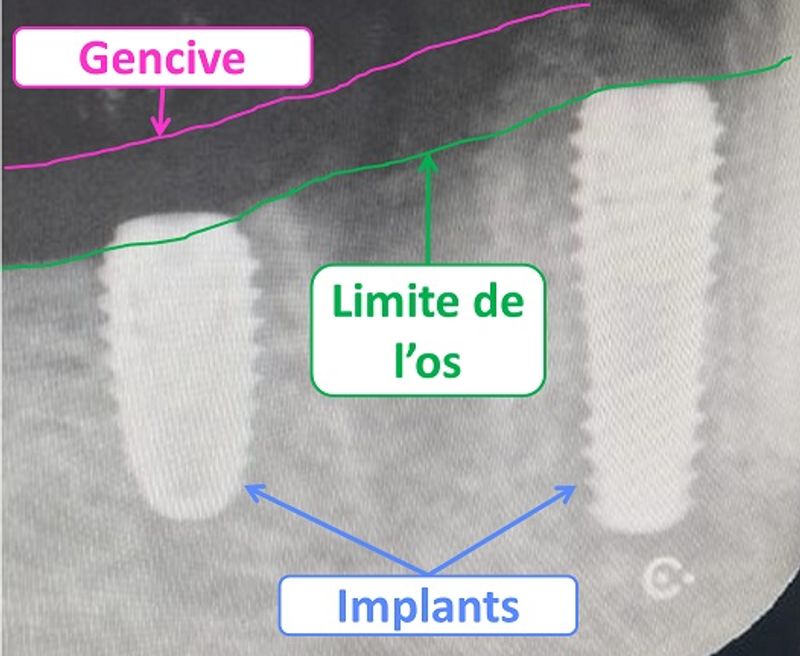
- the implant achieves strong primary stability in the bone at placement;
- bone quality and volume are good;
- the bite can be adjusted so the temporary tooth is not overloaded while healing.
If the implant is not stable enough on the day, your surgeon will choose conventional healing instead — the safer path for long-term success. That decision protects your result; it is not a setback.
The benefits
- You never walk around with a visible gap, which matters most for front teeth.
- Soft tissue heals around a tooth-shaped temporary, helping the gum look natural.
- Fewer disruptions to daily life during healing.
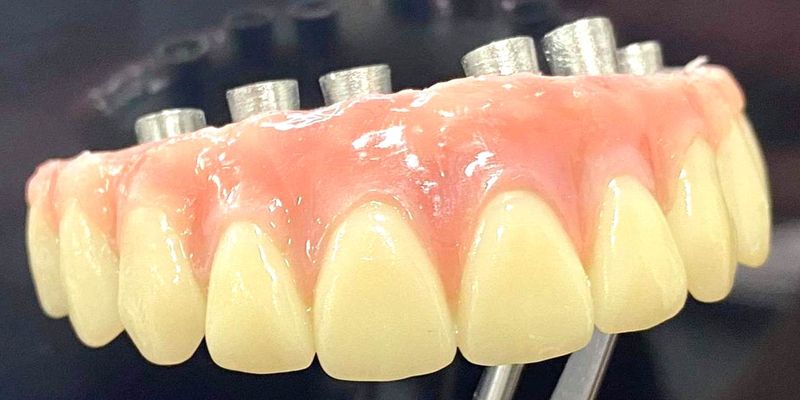
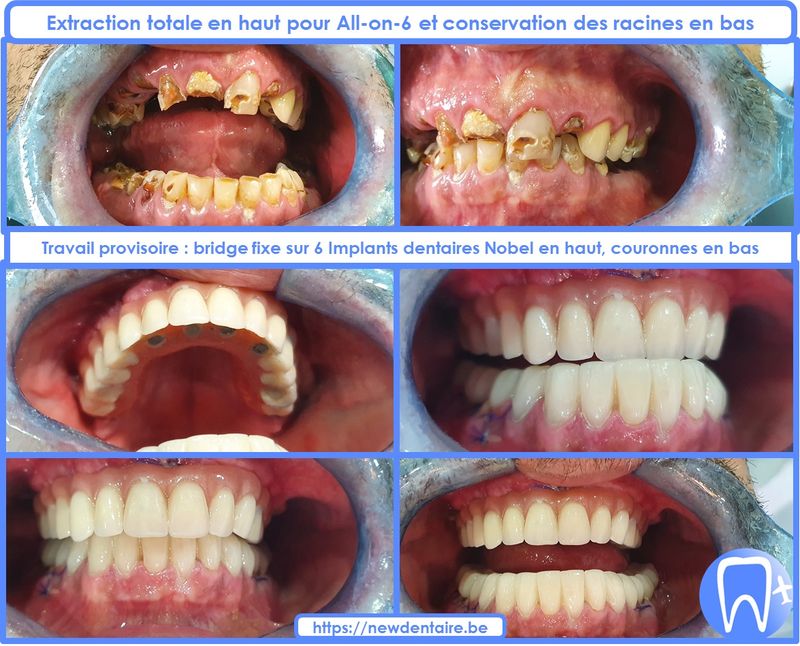
The temporary tooth looks like a tooth — but it is built to be protected, not tested.
What you must respect during healing
A temporary on a fresh implant is deliberately kept out of heavy biting. You will be asked to favour a soft diet and avoid biting directly on it for a defined period. Following that guidance is the single biggest factor in whether immediate loading succeeds.
This guide is general patient education, not a diagnosis or a treatment plan. What is right for you is decided by a qualified dentist after an in-person or scan-based assessment.